Exploring Flexible Learning Models: Adapting Education for the 21st Century
In today’s rapidly evolving educational landscape, traditional one-size-fits-all approaches are increasingly giving way to flexible learning models that cater to the diverse needs and preferences of learners. These innovative models not only embrace technological advancements but also prioritize individualized instruction, active engagement, and lifelong learning skills. Let’s delve into some of the most prominent flexible learning models reshaping the future of education.
Blending the best of both online and face-to-face instruction, blended learning provides students with the flexibility to engage with course materials at their own pace and convenience. By incorporating digital resources, interactive activities, and collaborative projects, educators can create dynamic learning environments that cater to diverse learning styles and preferences.
Personalized Learning Pathways
In the vast landscape of education, navigating the terrain of personalized learning pathways is akin to charting a course through a rich and varied landscape. Personalized learning pathways offer tailored routes for learners to pursue their educational goals, guiding them through a sequence of courses, experiences, and milestones. Whether embarking on a journey of personal growth, career advancement, or academic exploration, understanding and leveraging personalized learning pathways can be instrumental in achieving success. Let’s explore how these pathways can be navigated and optimized to maximize learning outcomes.
Crafting Effective Curricula and Assessments
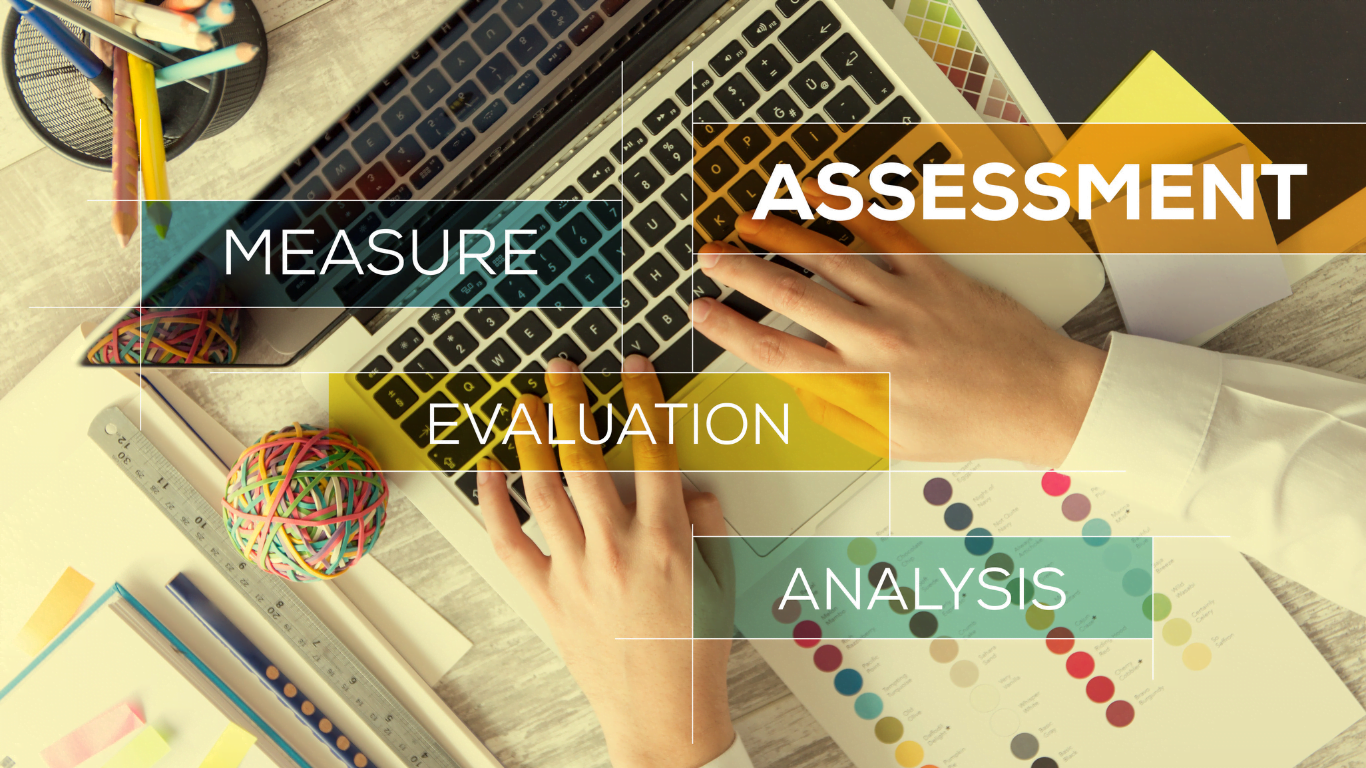
Curriculum-Driven Assessment:
Ensuring that assessments are aligned with curriculum objectives, content, and instructional methods to measure what students are expected to learn.
Assessment for Learning Improvement:
Leveraging assessment data to identify areas of strength and areas for improvement in the curriculum, instruction, and student learning outcomes.
Assessment Literacy:
Promoting assessment literacy among educators, students, and stakeholders to foster a shared understanding of assessment practices, purposes, and implications.
Ethical and Fair Assessment Practices:
Upholding principles of fairness, equity, and integrity in assessment design, administration, and interpretation to ensure that assessments serve all students effectively.
One-to-One Device Program
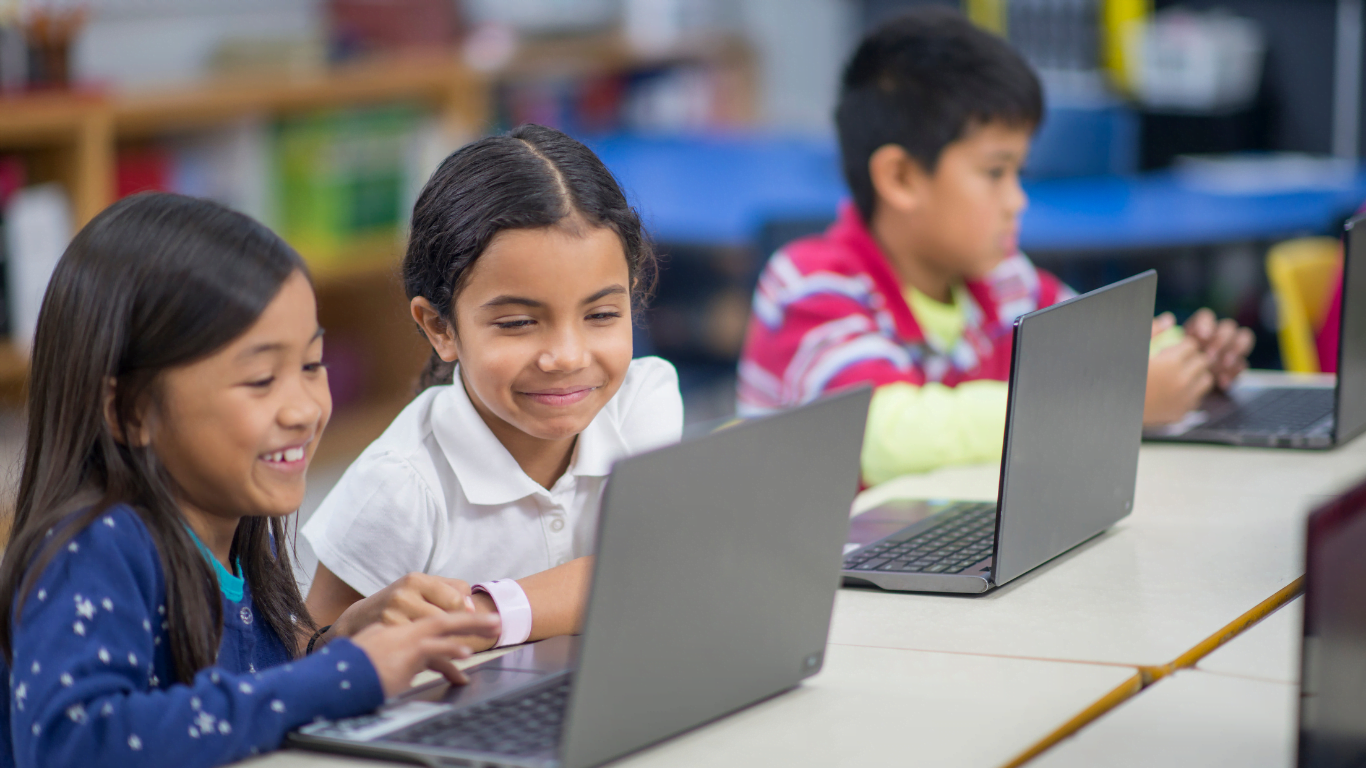
In today’s digital age, educational institutions worldwide are increasingly embracing one-to-one device programs as a cornerstone of their teaching and learning initiatives. This innovative approach equips each student with a personal computing device, such as a laptop or tablet, empowering them to access educational resources, collaborate with peers, and engage in personalized learning experiences. Let’s explore the transformative impact of one-to-one device programs on education.
The Vital Role of Teachers as Facilitators and Coaches
In the dynamic landscape of elementary and middle school education, teachers serve as facilitators and coaches, guiding the next generation of learners, explorers, and thinkers. Beyond their roles as traditional educators, they are mentors, encouragers, and role models, shaping not only the academic landscape but also the future trajectory of each student. Through their dedication to facilitating learning experiences and coaching students, they inspire curiosity, critical thinking, and a lifelong love for learning. Whether guiding collaborative activities, fostering meaningful discussions, or providing individualized support, teachers play a vital role in shaping the educational experience and fostering the holistic development of every student.
All of our teachers meet one or more of the following requirements: o Bachelor’s Degree or higher. o Three or more years of K-12th grade teaching experience. o Special skills, knowledge, or expertise that qualifies them to provide instruction in K-12th grade subjects.